
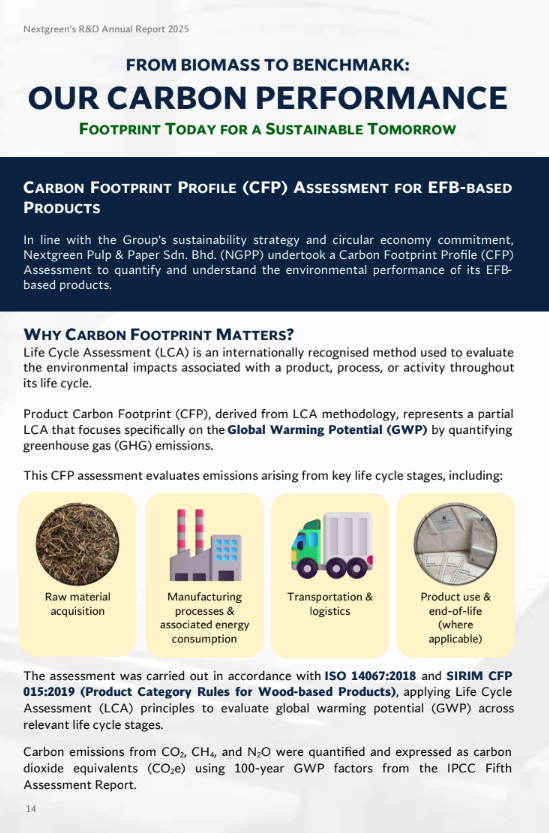
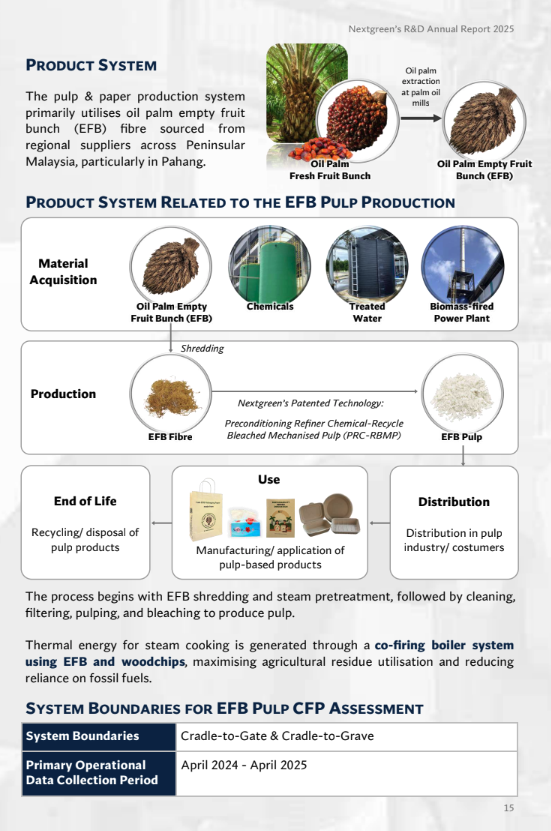
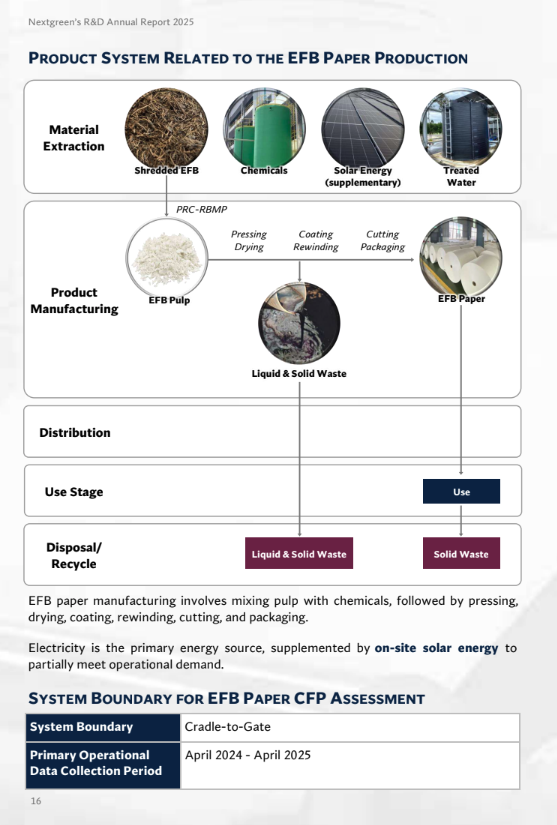
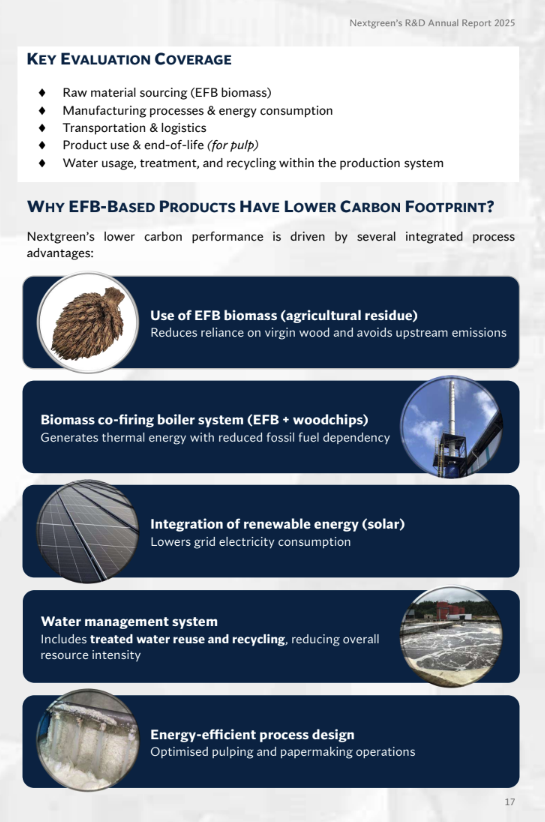
As part of our continuous efforts to enhance environmental performance, we regularly assess the Product Carbon Footprint (CFP) of our Empty Fruit Bunch (EFB) pulp to identify opportunities for improvement and drive meaningful emission reductions across our value chain. The CFP assessment is based on the internationally recognised Life Cycle Assessment (LCA) methodology, with a specific focus on quantifying greenhouse gas (GHG) emissions and Global Warming Potential (GWP) throughout a product’s life cycle.
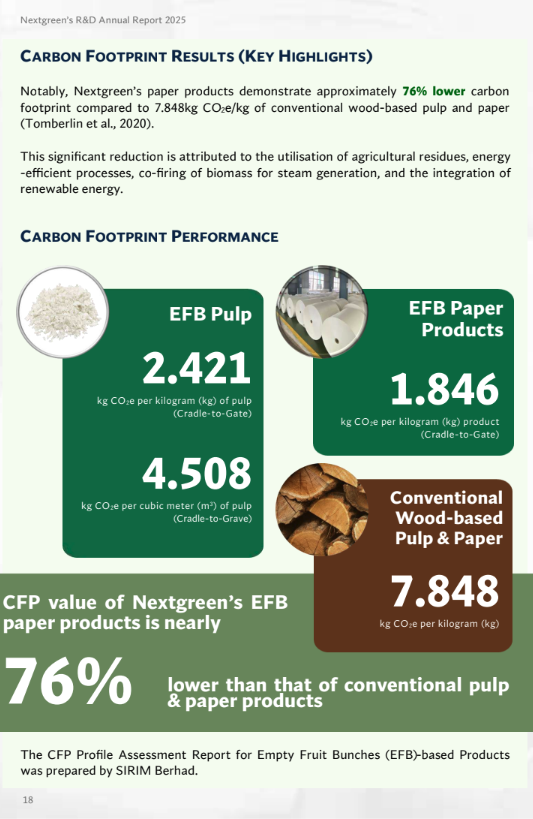
The assessment was conducted in accordance with ISO 14067:2018 and SIRIM CFP 015:2019 (Product Category Rules for Wood-Based Products), covering key life cycle stages from raw material sourcing and EFB processing to pulping, production, distribution, use, and end-of-life management. By evaluating emissions across these stages, the assessment provides valuable insights into carbon hotspots and supports data-driven decision-making to further improve operational efficiency and environmental sustainability. The results demonstrate the environmental advantages of Nextgreen’s non-wood biomass-based pulp compared to conventional wood-based alternatives. The carbon footprint of EFB pulp was recorded at 2.421 kg CO₂e/kg pulp under a cradle-to-gate boundary and 4.508 kg CO₂e/m³ pulp under a cradle-to-grave boundary. Meanwhile, EFB paper achieved a carbon footprint of 1.846 kg CO₂e/kg paper under a cradle-to-gate assessment. Notably, Nextgreen’s paper products exhibit approximately 76% lower carbon emissions compared to conventional wood-based pulp and paper products, which have a reported carbon footprint of 7.848 kg CO₂e/kg.
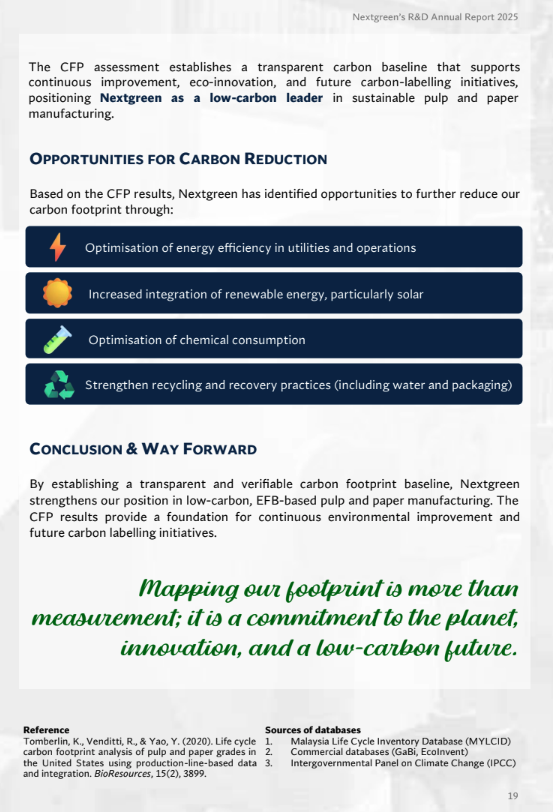
This significant reduction is driven by the utilisation of agricultural residues as renewable feedstock, energy-efficient production technologies, biomass co-firing for steam generation, and the integration of renewable energy sources within our operations.
Nextgreen’s R&D team is advancing sustainable packaging innovation through the development of high-performance, wood-free packaging materials derived from oil palm Empty Fruit Bunch (EFB) fibres. Utilising EFB fibres with more than 85% cellulose purity, the project aims to produce biomass-based packaging solutions that deliver reliable mechanical performance while ensuring complete biodegradability at the end of their life cycle.
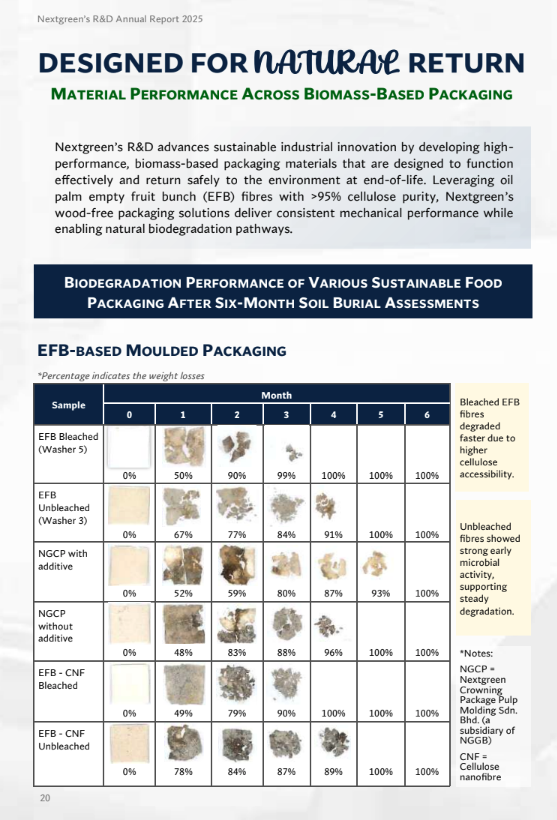
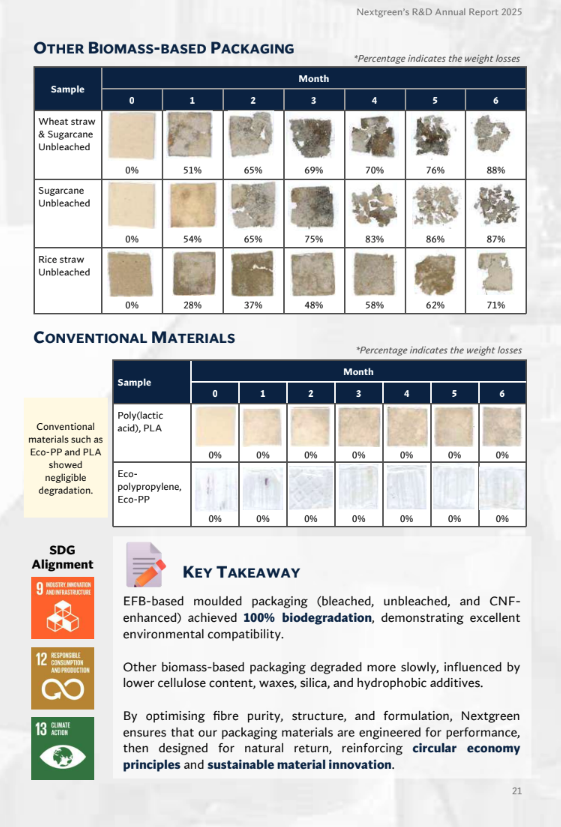
Through comprehensive biodegradability studies, Nextgreen evaluated the end-of-life behaviour of EFB-based moulded packaging under natural soil conditions. The six-month soil burial assessment demonstrated outstanding environmental compatibility, with bleached, unbleached, and cellulose nanofibre (CNF)-enhanced EFB packaging achieving 100% biodegradation. Bleached EFB fibres exhibited accelerated degradation due to greater cellulose accessibility, while unbleached fibres supported robust microbial activity and sustained decomposition throughout the testing period. In contrast, conventional materials such as Expanded Polypropylene (EPP) and Polylactic Acid (PLA) exhibited negligible degradation, while other biomass-based packaging materials degraded at slower rates due to lower cellulose content and the presence of waxes, silica, and hydrophobic additives that inhibit microbial breakdown.
The findings highlight the potential of high-purity EFB fibres as a sustainable alternative to conventional packaging materials. By optimising fibre composition, structure, and formulation, Nextgreen is developing packaging solutions that combine functionality, environmental compatibility, and circular economy principles, supporting the transition towards a more sustainable and resource-efficient future.
This research project explores the value-added utilisation of oil palm biomass, specifically Empty Fruit Bunch (EFB) and Oil Palm Frond (OPF) fibres, for the production of non-wood pulp and paper products. The project supports Nextgreen’s Biomass Hub initiative by maximising the potential of agricultural residues, reducing dependence on wood-based resources, and creating sustainable, high-value paper solutions.
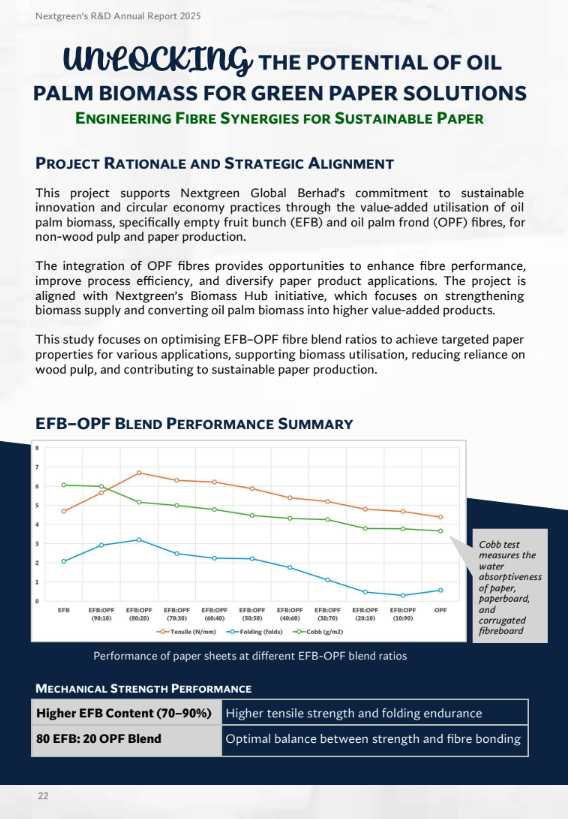
The study focuses on optimising EFB–OPF fibre blend ratios to tailor paper properties for different end-use applications while enhancing fibre performance and resource efficiency. Results demonstrated that EFB and OPF fibres exhibit complementary characteristics, enabling the development of paper products with customised performance attributes through strategic blend optimisation.
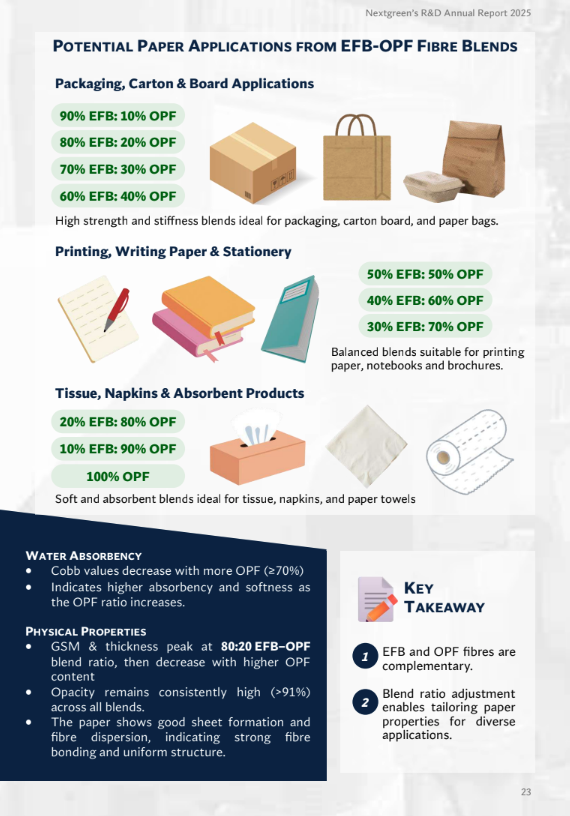
Higher EFB content (70–90%) contributed to superior tensile strength and folding endurance, making these blends suitable for packaging and board applications. An optimal blend ratio of 80% EFB and 20% OPF achieved the best balance between mechanical strength, fibre bonding, sheet formation, and physical properties, including thickness and grammage. Meanwhile, increasing OPF content improved absorbency and softness, creating opportunities for tissue and absorbent paper products. Across all blend ratios, opacity remained consistently high at over 91%, indicating excellent printability and visual quality.
The findings highlight the versatility of EFB and OPF fibres as sustainable non-wood raw materials for a wide range of paper applications, including packaging materials, carton boards, paper bags, printing and writing papers, notebooks, tissues, napkins, and paper towels. By optimising biomass fibre utilisation and developing application-specific paper products, this project strengthens Nextgreen’s efforts to advance sustainable paper manufacturing, enhance biomass valorisation, and support the transition towards a resource-efficient circular economy.
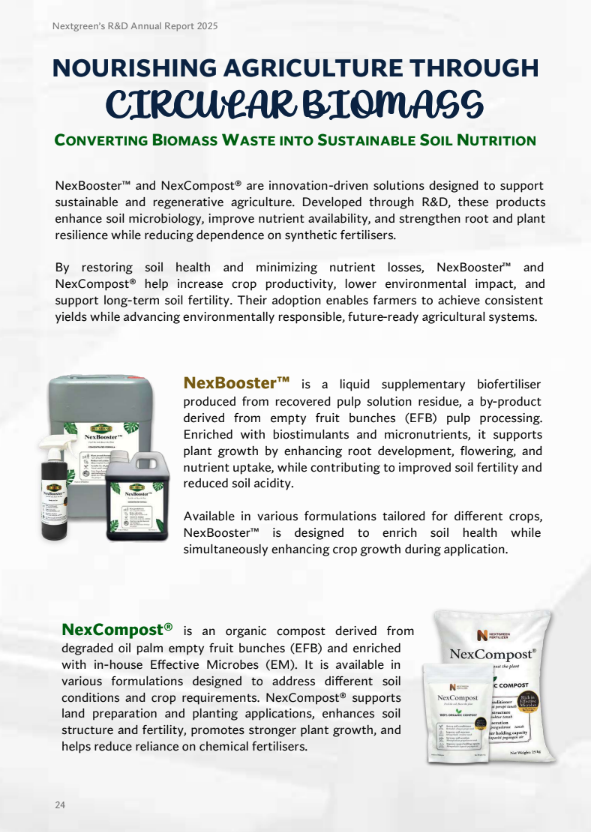
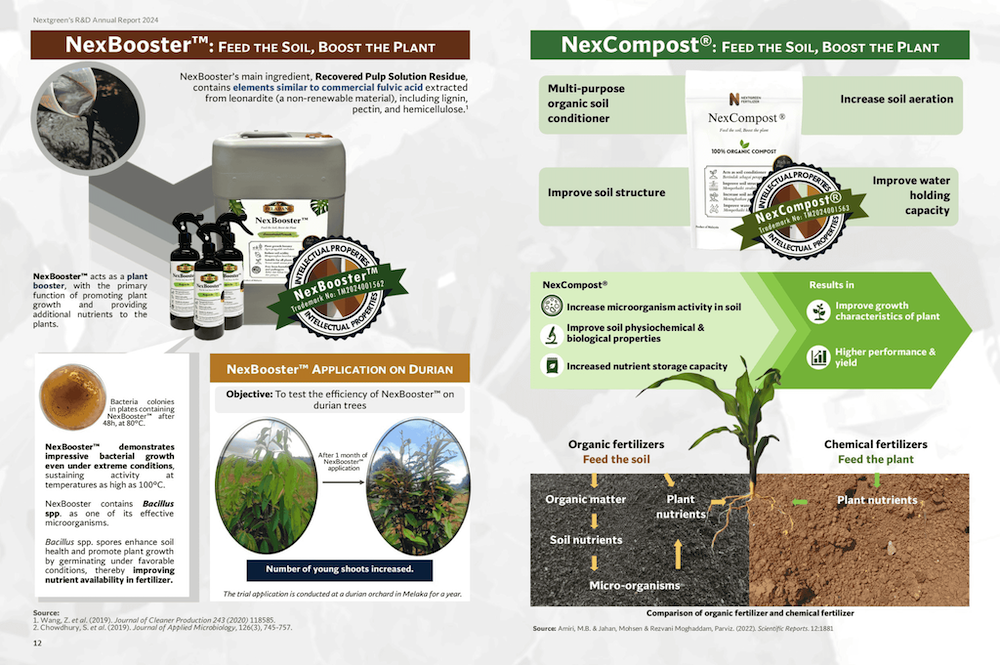
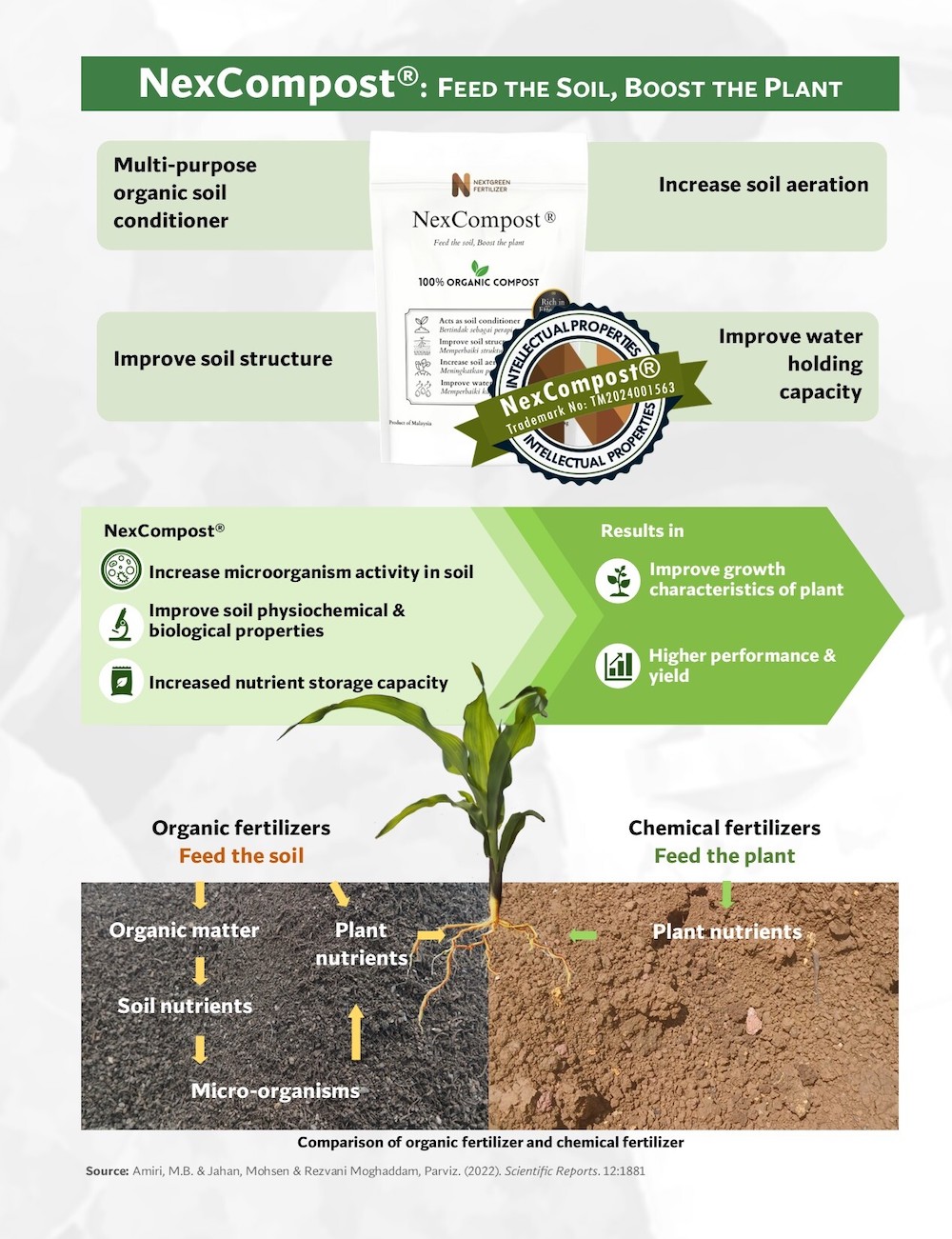
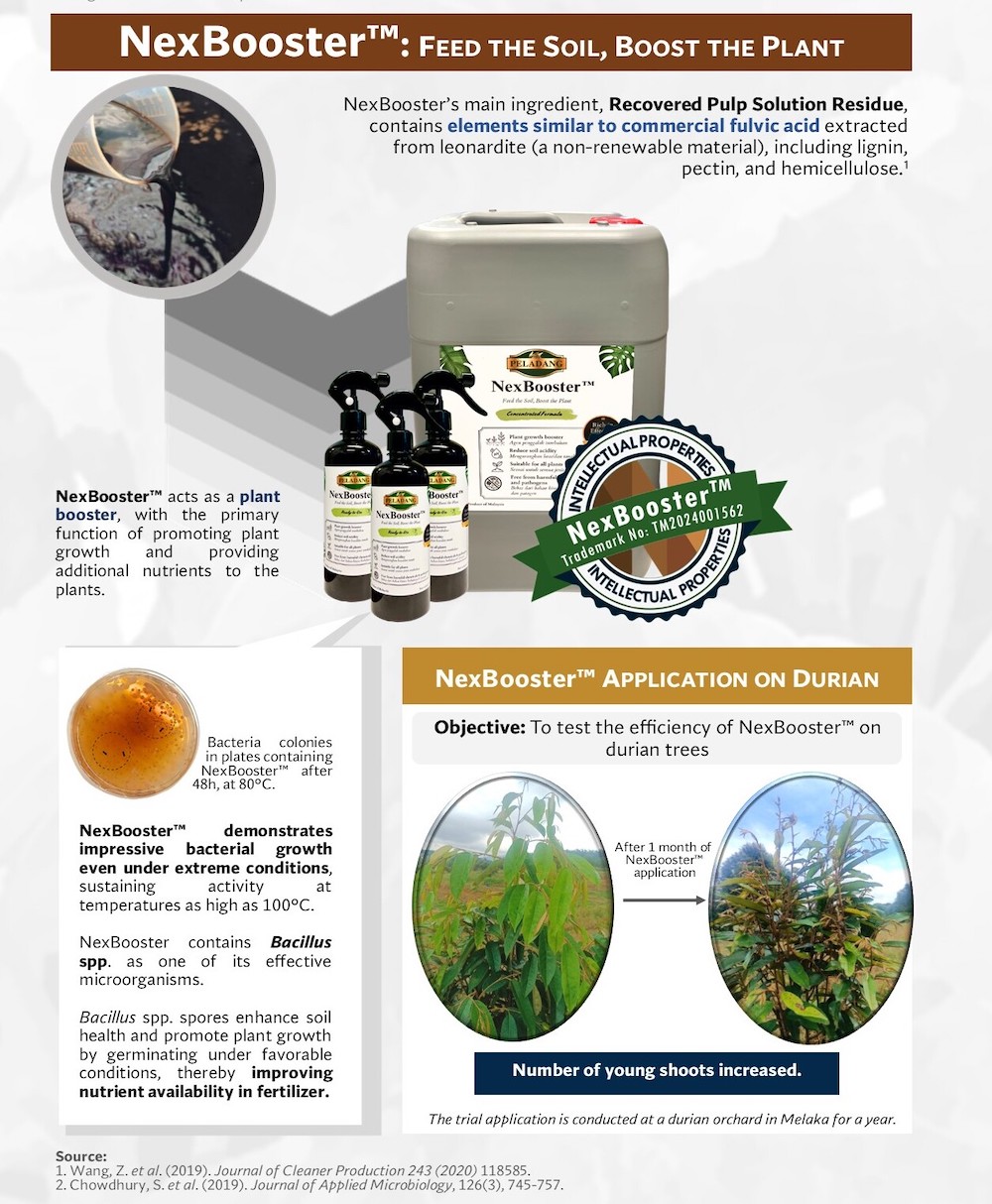
NexBooster™ and NexCompost® are innovative biomass-derived agricultural solutions developed by Nextgreen to transform oil palm Empty Fruit Bunch (EFB) by-products into value-added fertilizers that support sustainable and regenerative agriculture. NexBooster™ is a liquid biofertilizer enriched with biostimulants and micronutrients that enhances root development, nutrient uptake, and overall crop performance, while NexCompost® is an organic compost enriched with Effective Microbes (EM) that improves soil structure, fertility, and microbial activity.
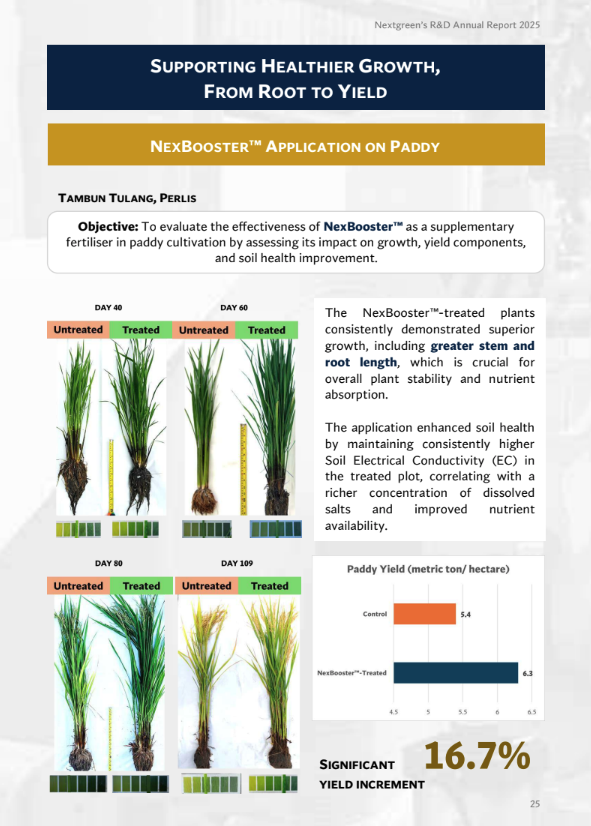
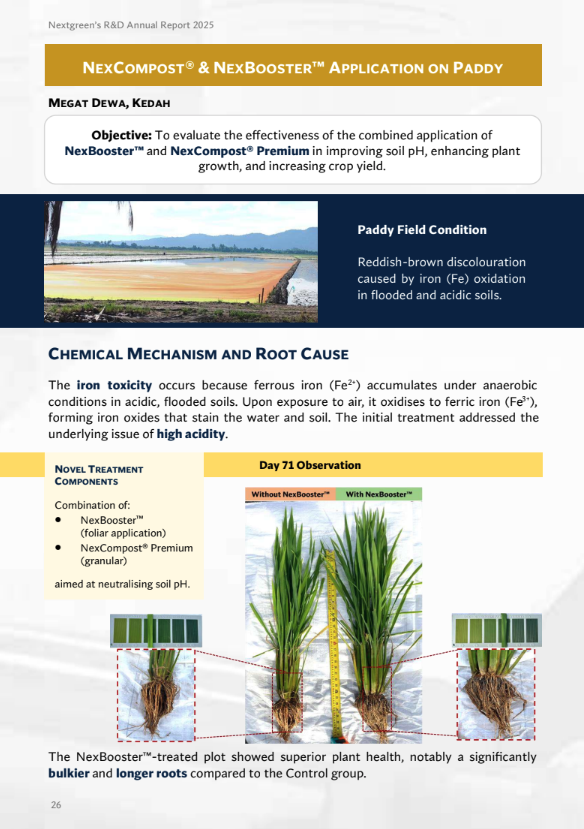
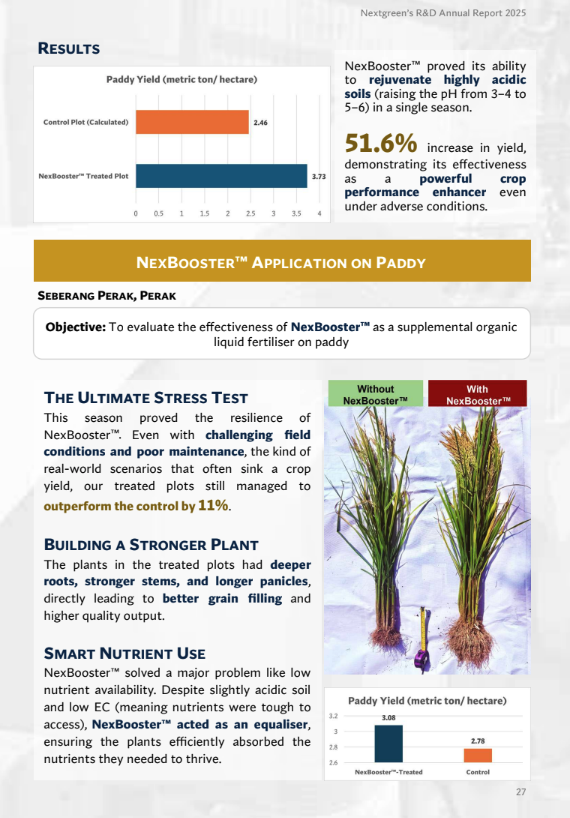
To validate their effectiveness, Nextgreen conducted field trials across multiple crops and growing conditions in Malaysia. In paddy cultivation, NexBooster™ increased grain yield by 16.7% in Tambung Tulang, Perlis and achieved a remarkable 51.6% yield improvement in Megat Dewa, Kedah when applied together with NexCompost® Premium. The treatment also restored highly acidic soils from pH 3–4 to pH 5–6 within a single planting season, improving nutrient availability and alleviating iron toxicity. In Perak, NexBooster™ delivered an additional 11% yield increase despite challenging field conditions and low nutrient availability.
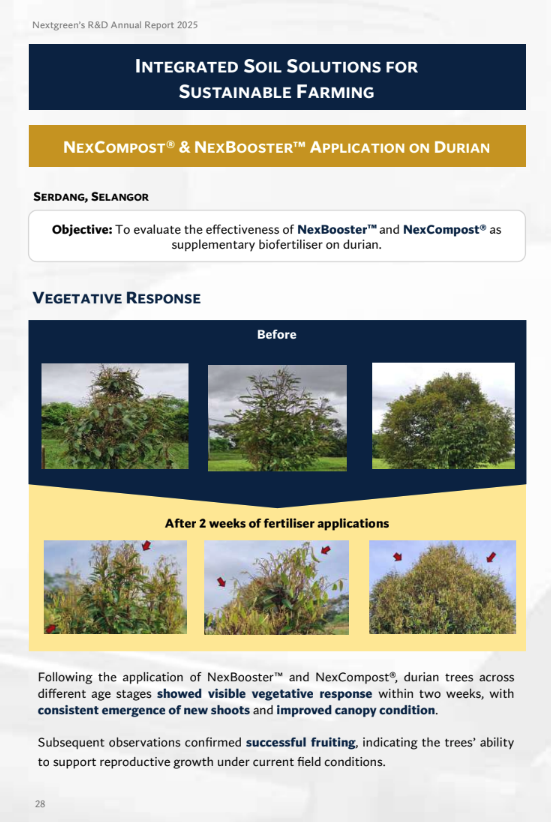
For durian cultivation, field evaluations in Serdang, Selangor demonstrated rapid vegetative recovery within two weeks of application, with treated trees producing new shoots, healthier canopies, and successful fruiting. These results indicate improved plant vigour, nutrient utilisation, and yield potential.
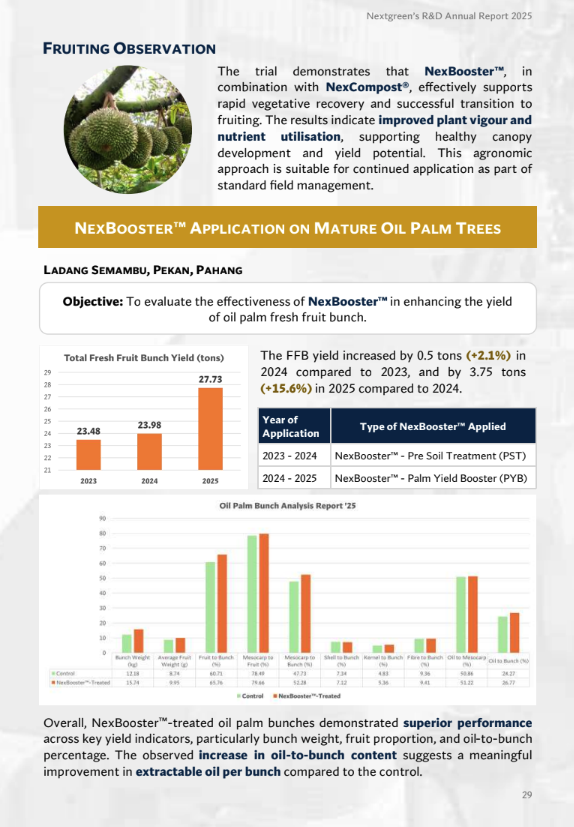
In oil palm plantations, a two-year field trial in Pekan, Pahang showed that NexBooster™ improved soil pH from approximately 3.5 to 5.0, creating conditions more favourable for oil palm growth. The improved soil health translated into higher Fresh Fruit Bunch (FFB) yields, increasing by 2.1% in 2024 and a further 15.6% in 2025. Treated palms also recorded improvements in bunch weight, fruit proportion, and oil-to-bunch content, with a 2.50% increase in oil extraction potential.
These findings demonstrate the effectiveness of NexBooster™ and NexCompost® in enhancing soil fertility, improving crop productivity, and strengthening plant resilience across diverse agricultural systems. By converting biomass residues into sustainable agricultural inputs, Nextgreen continues to advance circular economy principles while supporting food security, soil regeneration, and climate-resilient farming.
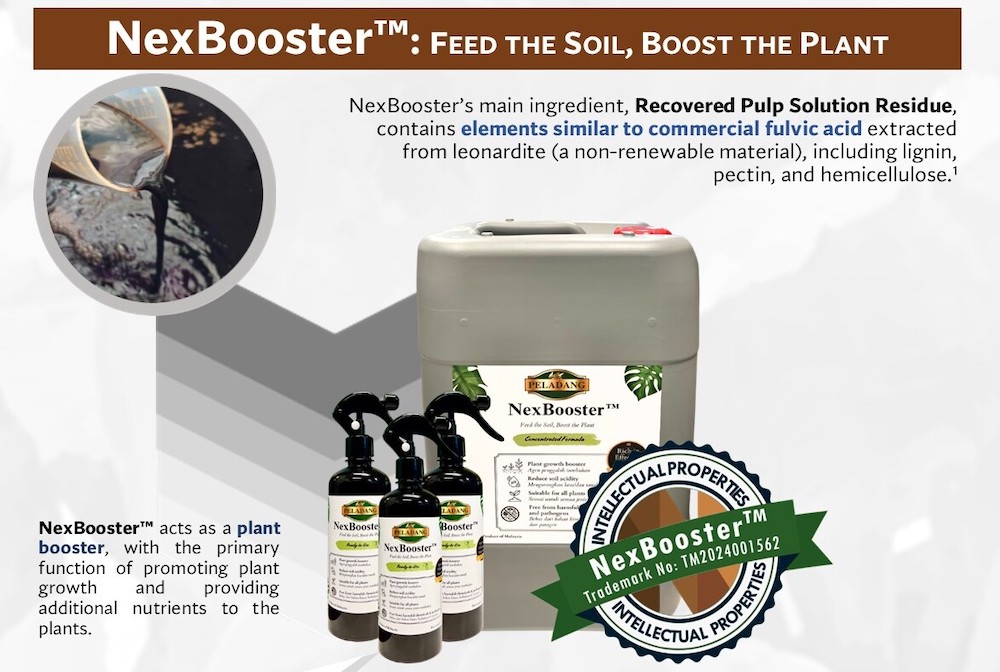
Nextgreen is at the forefront of sustainable agricultural innovation, dedicated to advancing global sustainability through the reduction of waste and enhancement of resource efficiency.
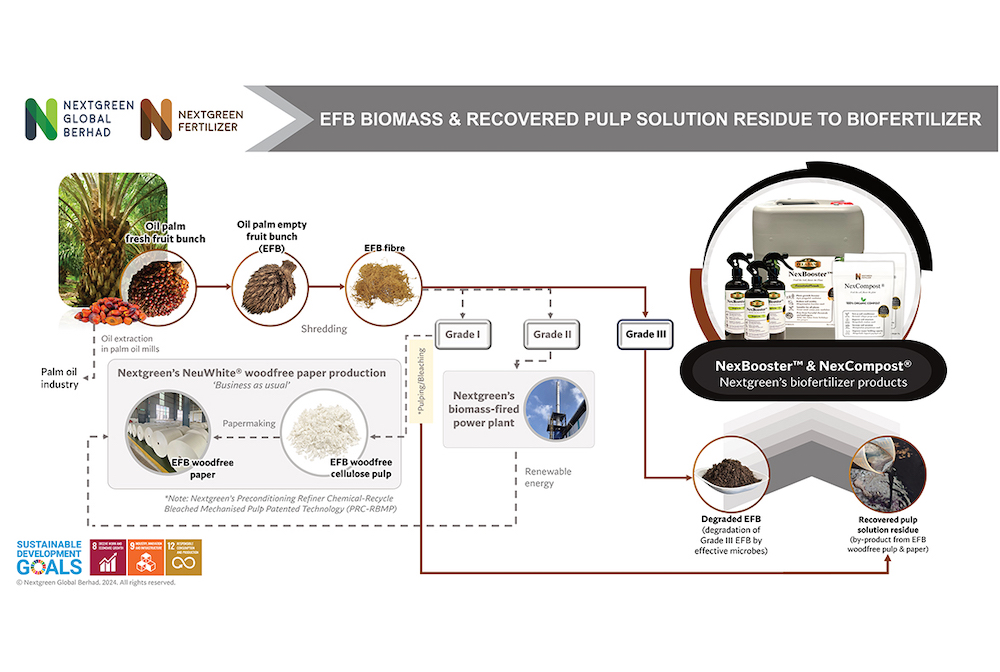
As part of this commitment, Nextgreen has successfully developed two innovative biofertilizers derived from pulp manufacturing by-products: NexBooster™ and NexCompost®. NexBooster™ is created from recovered pulp solution residue, a by-product of pulp manufacturing, while NexCompost® is derived from degraded empty fruit bunches (EFB). Both biofertilizers are produced through fermentation and composting processes using in-house effective microorganisms, respectively. The goal of these products is to support sustainable agriculture practices by reducing the environmental impact of traditional chemical fertilizers, improving long-term soil fertility, and promoting a healthier ecosystem.
Nextgreen has conducted extensive trials to evaluate the effectiveness of NexBooster™ across a wide variety of plants. Notably, trials on paddy crops—an essential staple in Malaysia—demonstrated remarkable results. Paddy treated with NexBooster™ exhibited accelerated growth, particularly in root development, with longer roots, increased root density, and larger stems.
Currently, Nextgreen is in the process of evaluating the effectiveness of its innovative biofertilizers on various crops, including oil palm, durian, bok choy, and chili. Through these initiatives, Nextgreen aims to foster sustainable practices among farmers and the agricultural industry in Malaysia, paving the way for a greener future and a healthier planet.
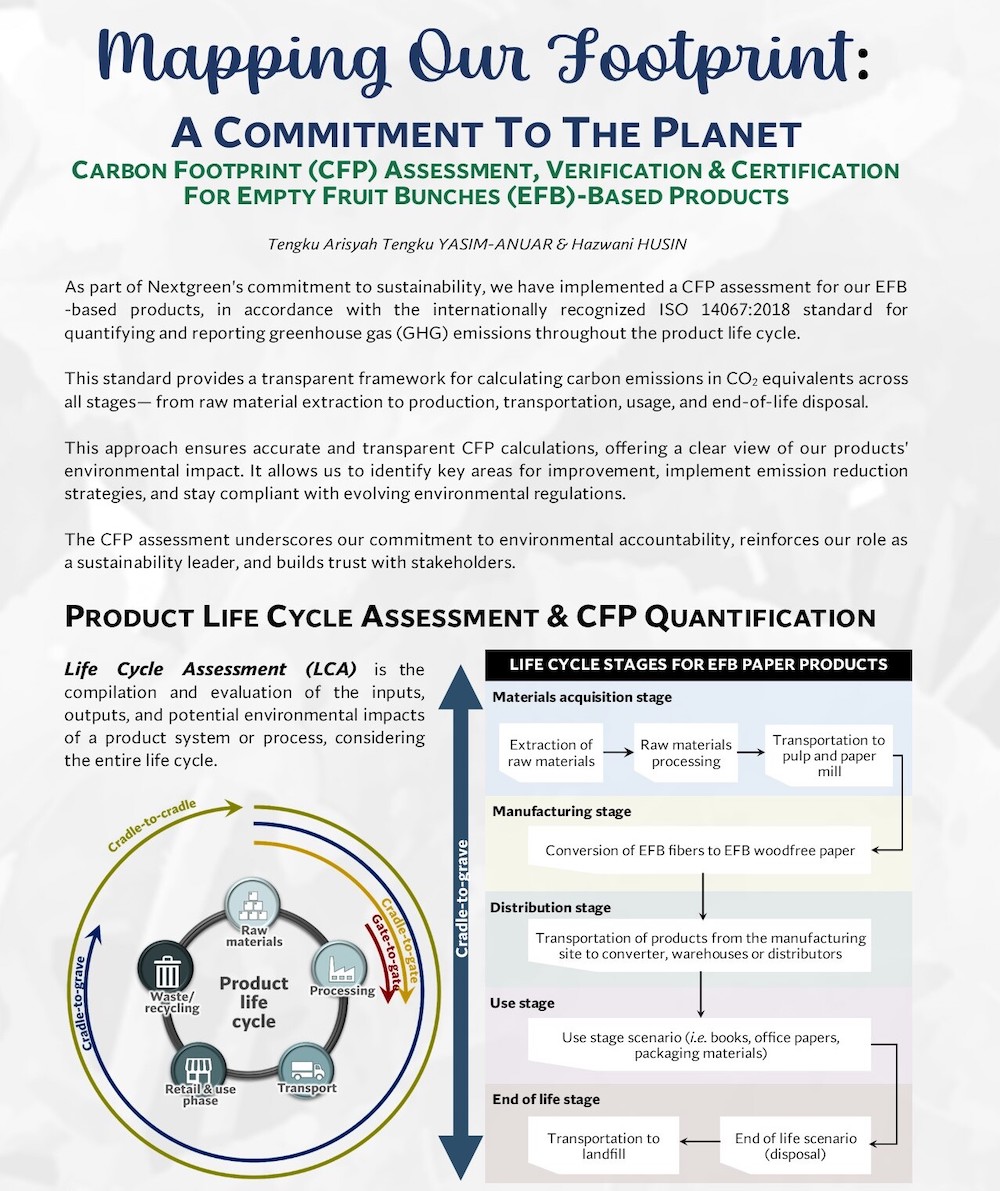
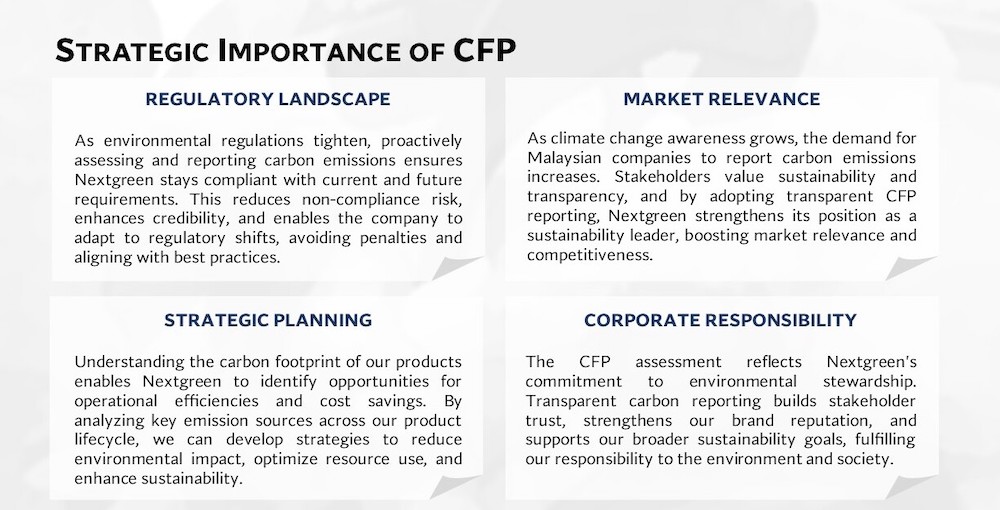
As part of Nextgreen’s unwavering commitment to sustainability, we have initiated a comprehensive Carbon Footprint (CFP) assessment for our empty fruit bunch (EFB)-based products, adhering to the internationally recognized ISO 14067:2018 standard. This assessment demonstrates Nextgreen’s dedication to environmental stewardship and ensures that we are transparent in our carbon reporting, which helps build stakeholder trust, strengthens our brand reputation, and supports our broader sustainability goals.
Currently, our R&D team is focused on the meticulous collection of data related to the carbon footprint of our EFB-based products at every stage of our operations within our flagship facility, the Green Technology Park. This data collection is crucial for obtaining certifications that validate our carbon emissions across the product life cycle. Through this assessment, we can identify key areas for improvement, implement effective emission reduction strategies, and remain compliant with evolving environmental regulations.
Once the data collection phase is complete, we will focus on generating the CFP report, which will quantify our products’ carbon footprint. We look forward to sharing future updates that will include a detailed report of our findings and the planned actions based on the assessment. This effort not only reinforces our commitment to environmental accountability but also solidifies our position as a leader in sustainability within the industry.
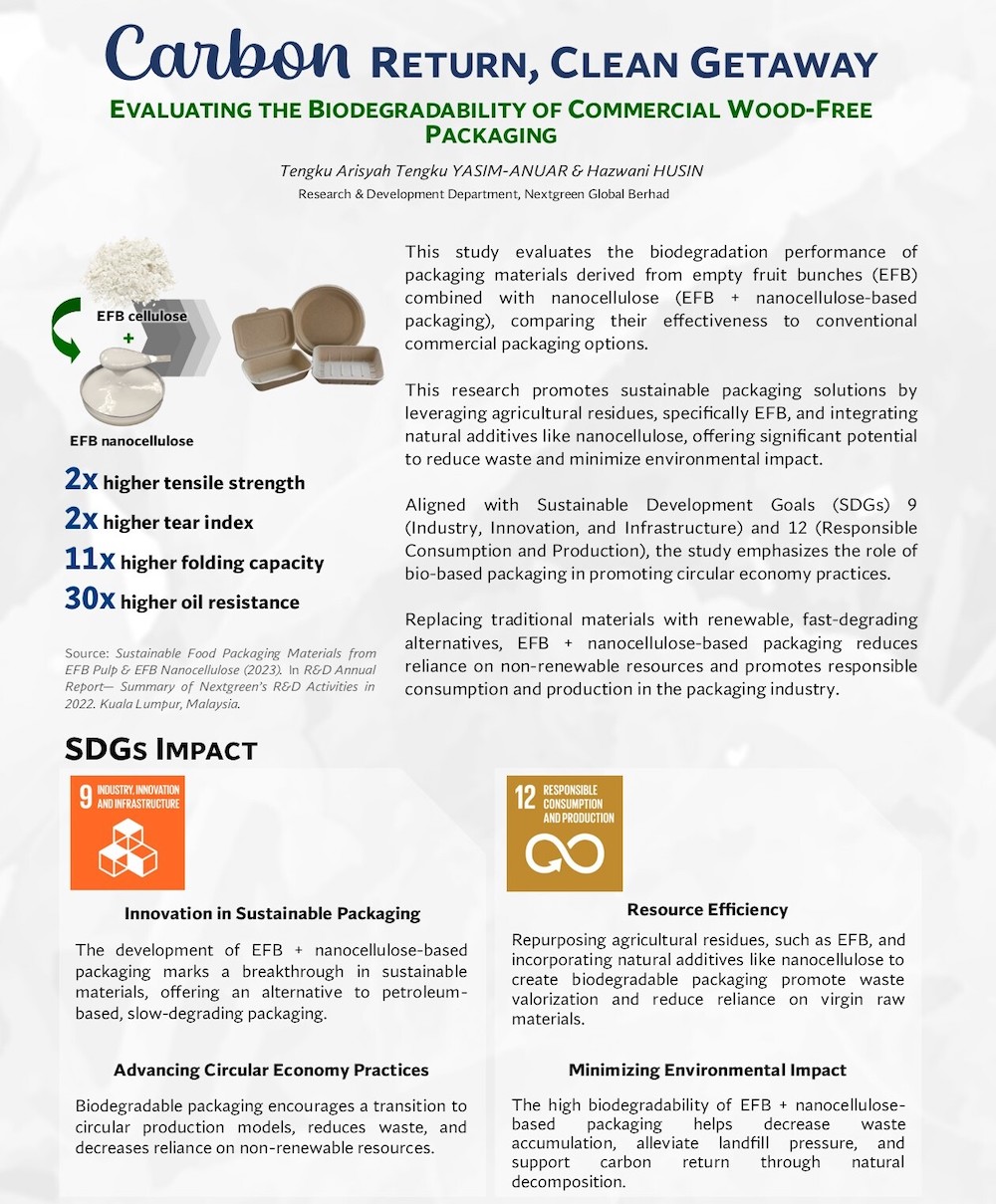
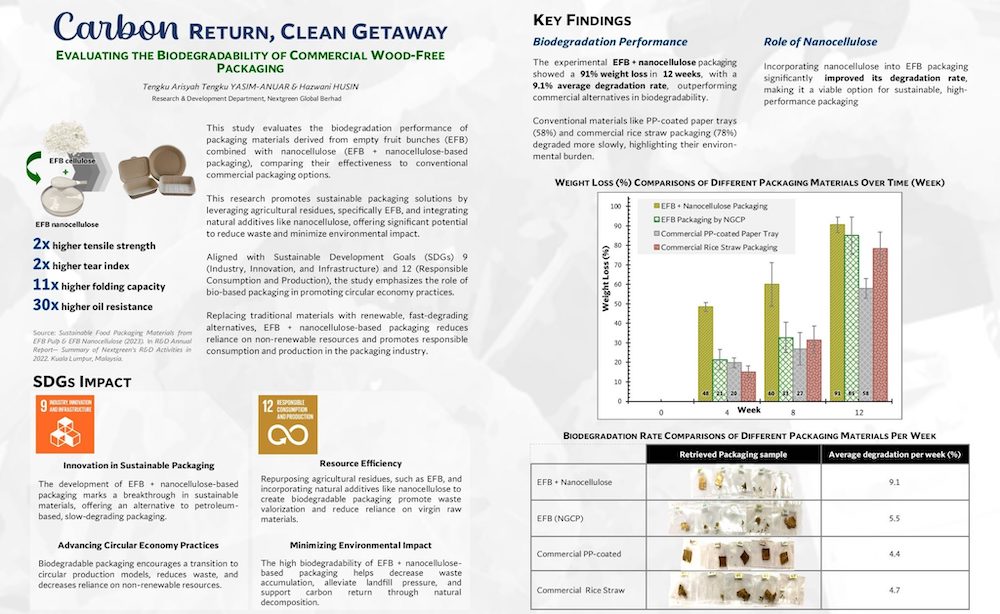
Nextgreen is committed to advancing sustainable packaging solutions through its R&D project focused on the biodegradability assessment of commercial woodfree packaging. As a pulp producer from oil palm empty fruit bunches (EFB), Nextgreen is dedicated to creating eco-friendly, biodegradable food packaging products that support a more sustainable future.
Our latest research examines the biodegradation performance of EFB-based packaging, enhanced with nanocellulose, and compares its effectiveness with conventional packaging materials. By utilizing EFB, an agricultural waste product, and integrating natural additives like nanocellulose, this project presents a promising solution for reducing waste and minimizing the environmental footprint of traditional packaging.
Preliminary results from our experiments show that the EFB + nanocellulose packaging achieved a remarkable 91% weight loss over 12 weeks, with an average degradation rate of 9.1%. This outperforms conventional materials, such as PP-coated paper trays (58%) and commercial rice straw packaging (78%), underscoring the environmental benefits of our innovative solution.
By replacing traditional packaging with renewable, fast-degrading alternatives, we are contributing to responsible consumption and production within the packaging industry. This initiative is aligned with Nextgreen’s mission to produce zero-waste, environmentally responsible products, benefiting both stakeholders and society as a whole.
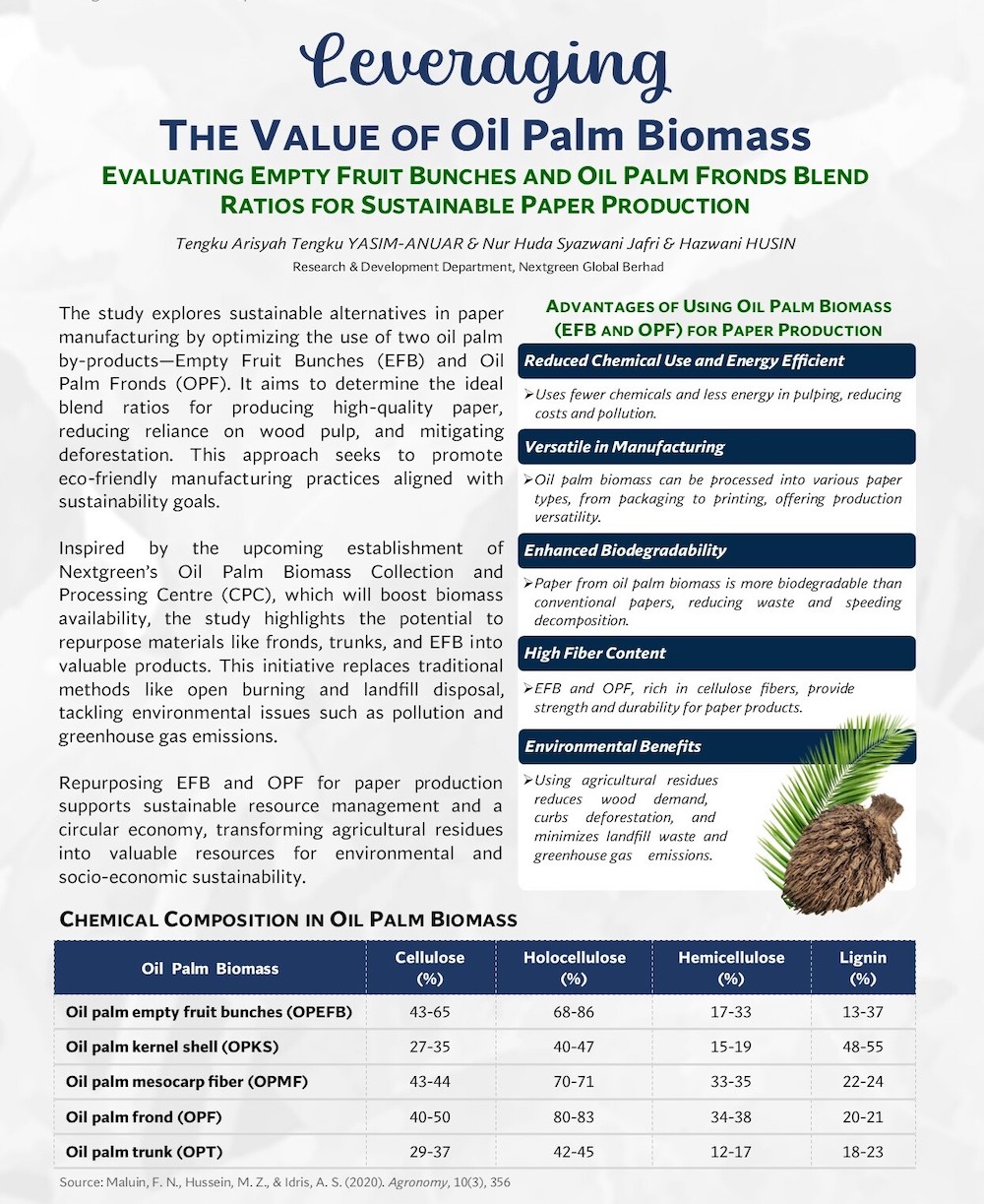
Nextgreen is dedicated to advancing research and development in sustainable practices, particularly in the field of paper manufacturing. Our latest study focuses on optimizing the use of two abundant oil palm by-products—Empty Fruit Bunches (EFB) and Oil Palm Fronds (OPF)—to identify the ideal blend ratios for producing high-quality paper. This initiative aims to reduce reliance on wood-based pulp, thereby helping to mitigate deforestation and promote eco-friendly manufacturing practices in line with sustainability goals.
The project is inspired by the upcoming establishment of Nextgreen’s Oil Palm Biomass Collection and Processing Centre (CPC), which will enhance the availability of biomass resources, including fronds, trunks, and EFB. By repurposing these materials into valuable products, we are moving away from traditional waste management methods such as open burning and landfill disposal, which contribute to pollution and greenhouse gas emissions. This approach not only addresses environmental concerns but also promotes sustainable resource management and supports a circular economy model, transforming agricultural residues into valuable resources for both environmental and socio-economic sustainability.
Our research anticipates a significant reduction in the dependency on wood fibers for paper production by utilizing the abundant raw materials available in EFB and OPF. By optimizing the EFB-OPF blend ratios, we aim to enhance the production efficiency of EFB/OPF-based papers, ensuring they meet the ISO 187:1990 certification standards for pulp and paper manufacturing. Through this innovative approach, Nextgreen is committed to fostering sustainable practices that benefit both the environment and the economy.
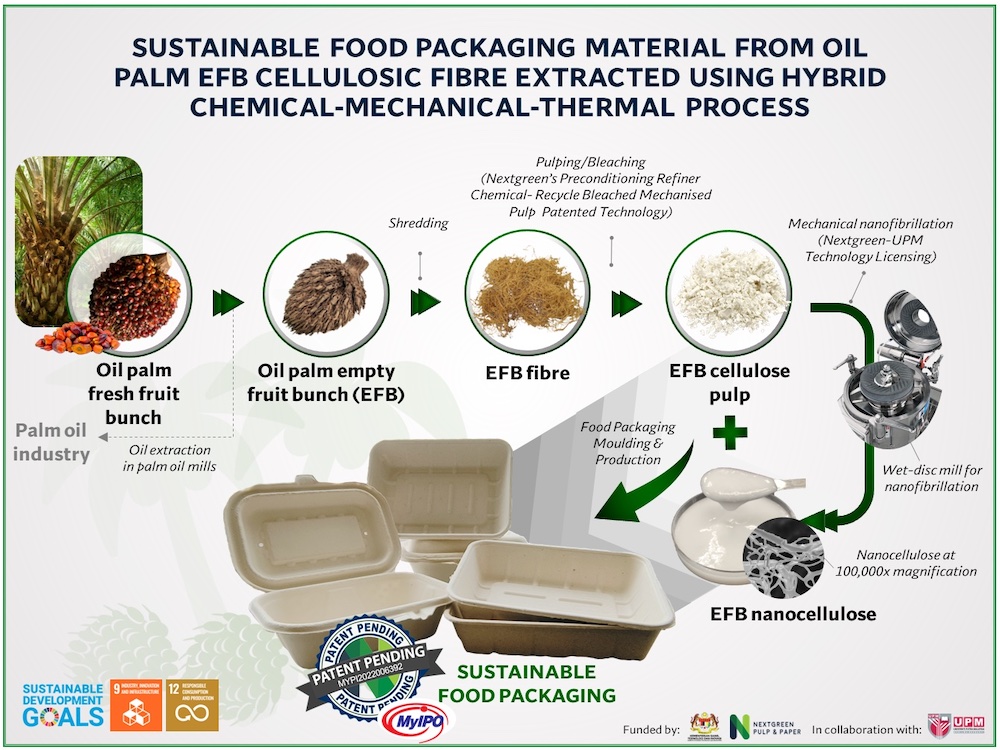
As a pulp producer from EFB, Nextgreen aims to create a green, environmentally friendly, and biodegradable food packaging product, which would support the Malaysian government’s goal of reducing the use of single-use plastics. This RM4.4 million project, started in July 2019 and ended in November 2022, and was co-funded by the Ministry of Science, Technology, and Innovation (MOSTI) and Nextgreen. Together with Universiti Putra Malaysia (UPM), Nextgreen utilised the oil palm EFB as a main raw material for the development of sustainable food packaging.
This MOSTI-Nextgreen-UPM collaboration is aimed at maximising the potential of nanocellulose which is made from the EFB as an advanced nanomaterial for enhancing the mechanical and water barrier properties of EFB-based food packaging. Aligned with Nextgreen’s mission of producing a green product with zero waste that can benefit stakeholders and society as a whole, the Social Return on Investment (SROI) forecast indicates that Nextgreen will achieve its goals of transforming stakeholders’ lives and conditions, not only economically, but also socially and environmentally.
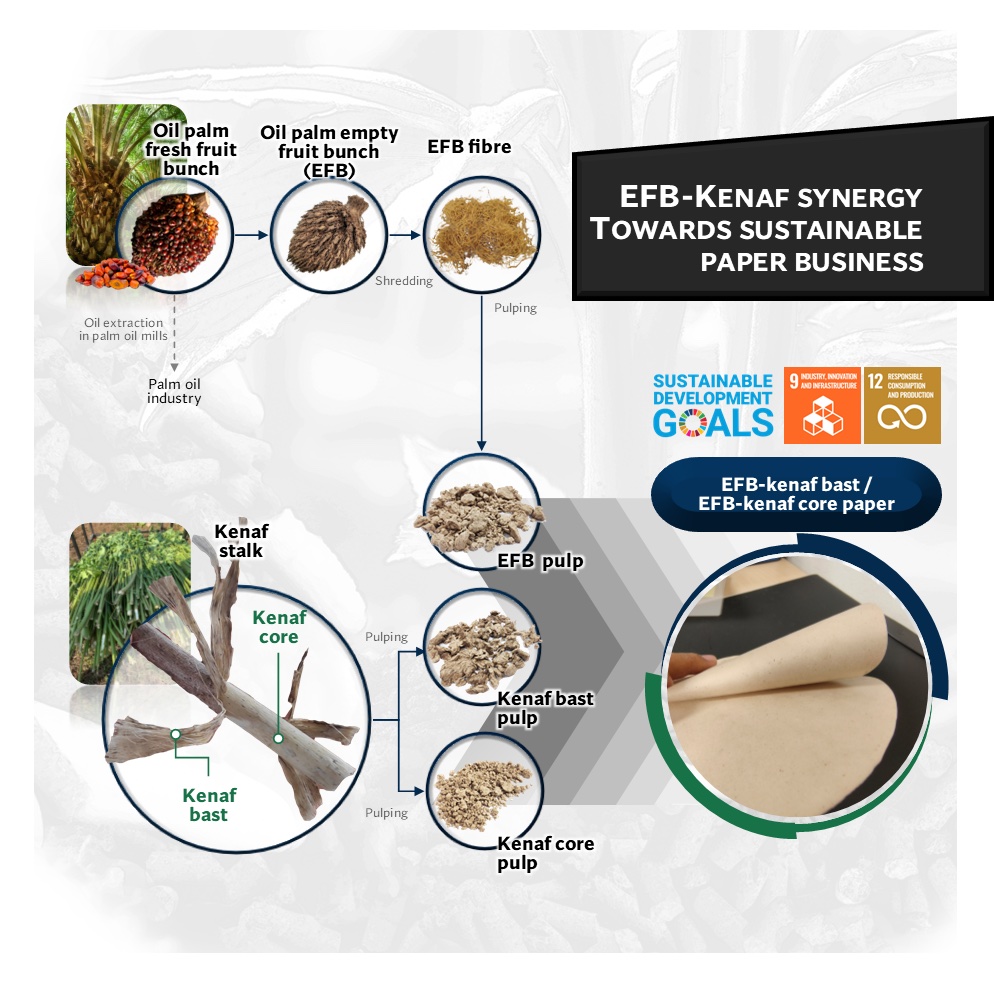
Nextgreen in collaboration with Universiti Teknologi MARA (UiTM) aims to promote green technology for pulp and paper making by using a non-toxic process that may contribute to less energy and water consumption. This three-year project commenced on August 2021, and anticipates the reduction of wood fibers dependency for paper making process by considering the abundant raw materials in the form of EFB and blending it with the fast-growing kenaf whole stem fibers. Through the optimisation of the EFB-kenaf ratio, we could achieve the enhanced production efficiency of the EFB/kenaf papers that meets the ISO 187:1990 certification, the standard for pulp and paper manufacturing.
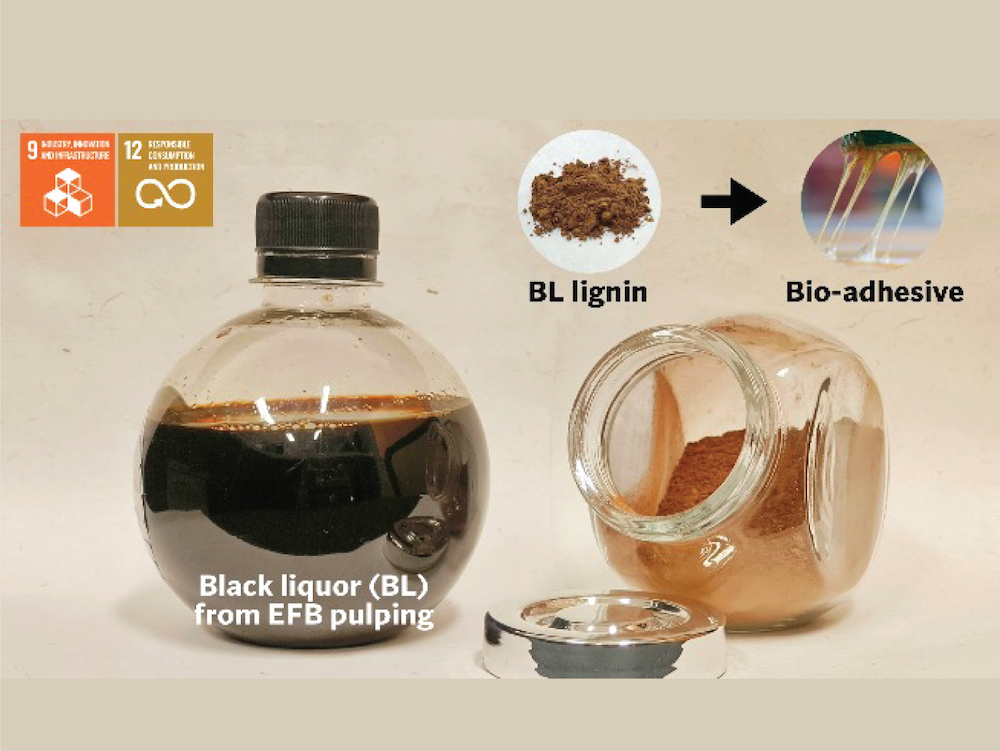
Nextgreen is working with a group of Shaanxi University of Science and Technology (SUST), China researchers since 2018 to develop an environmentally and industrially friendly process to extract lignin from black liquor, which can be used to produce bio-adhesives. This project concluded in 2022 and foresees the promising potential of black liquor, a pulp and paper mill-generated waste as a feedstock for lignin production. The use of black liquor derived lignin to replace harmful precursors in adhesive production such as formaldehyde and petroleum-derived phenol promotes responsible and sustainable production in terms of the efficient use of renewable and environment-friendly resources.
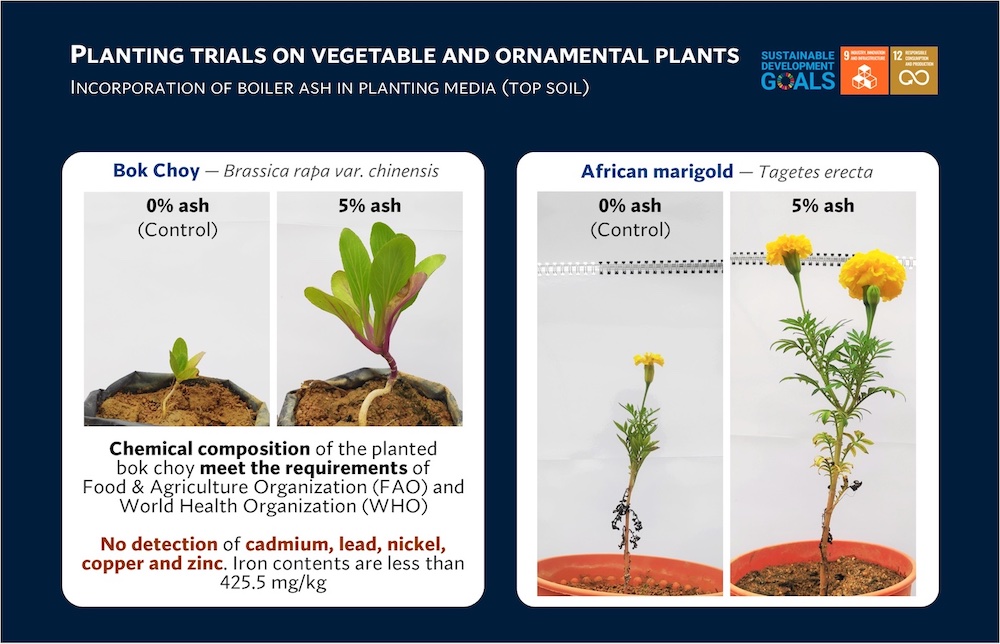
NGPP uses EFB as a combustion material for the boiler. The ash generated could be used for value-added purposes as EFB ashes often contained high alkalinity and various nutrient contents that can be good for soil improvement and improving crop growth. This six-month project observed bigger, taller and more leaves number in both vegetable and ornamental plants. In addition, the bok choy chemical composition meets the requirements of Food & Agriculture Organization (FAO) and World Health Organization (WHO) indicating safe use of the EFB ash as part of planting medium or soil conditioner.
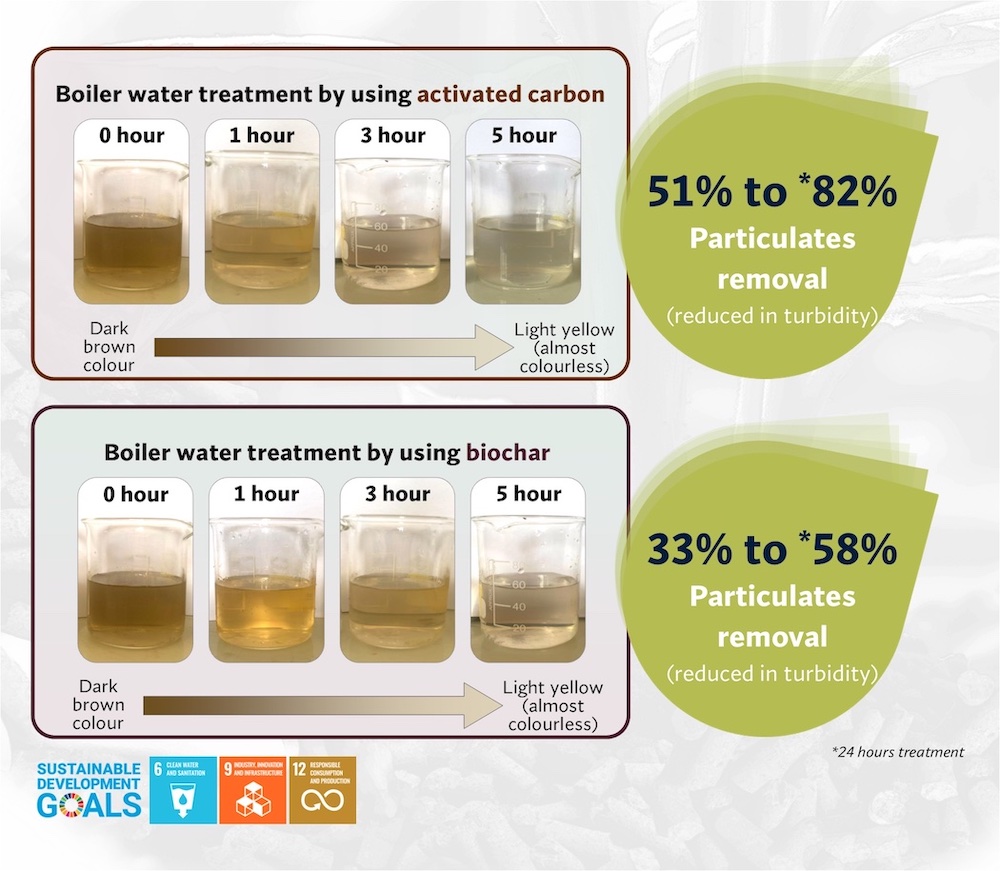
Nextgreen uses a closed-loop wet scrubber water system as an effective air pollution control device to remove particles and/or gases from the boilers, as well as to prevent a variety of pollutants from being released into the atmosphere. The Nextgreen R&D team conducted a water discharge treatment experiment to evaluate potential utilisation of bioadsorbent derived from biomass — activated carbon and biochar to remove contaminants in the discharged boiler water. The lab scale findings suggest up to 82% particulates removal indicating potential implementation of these bioadsorbent in the wastewater treatment system. The treated water could also be reused in the boiler wet-scrubber system, enhancing the efficient use of resources in Nextgreen’s mills operation.